Frank Harris
Menu

Executive coaching

Bring the conversation you keep having in your head.

Hands-on coaching for senior ICs, executives, and founders navigating the human, strategic, and organizational parts of the job. I work with leaders at Uber, Google, Wise, Cash App, and early-stage startups.

Compare engagements

For founders

The board wants answers. Your team needs direction. You need the full picture.

We interrogate the board narrative, pressure-test the roadmap, and work through what you cannot say to the team yet—until the decision is clear enough to make.

  • A board narrative that actually lands
  • A roadmap your team believes in
  • Confidence in the calls only you can make
Frank had a material, double digit percentage, impact on our revenue within a month of our first session. He combines a natural caring and thoughtfulness with a wealth of professional experience. If this is your first time stepping into a product leadership position, or are just looking for a thought partner, I don’t think you’ll regret giving Frank a try.
Tomas Reimers · Co-founder, Graphite
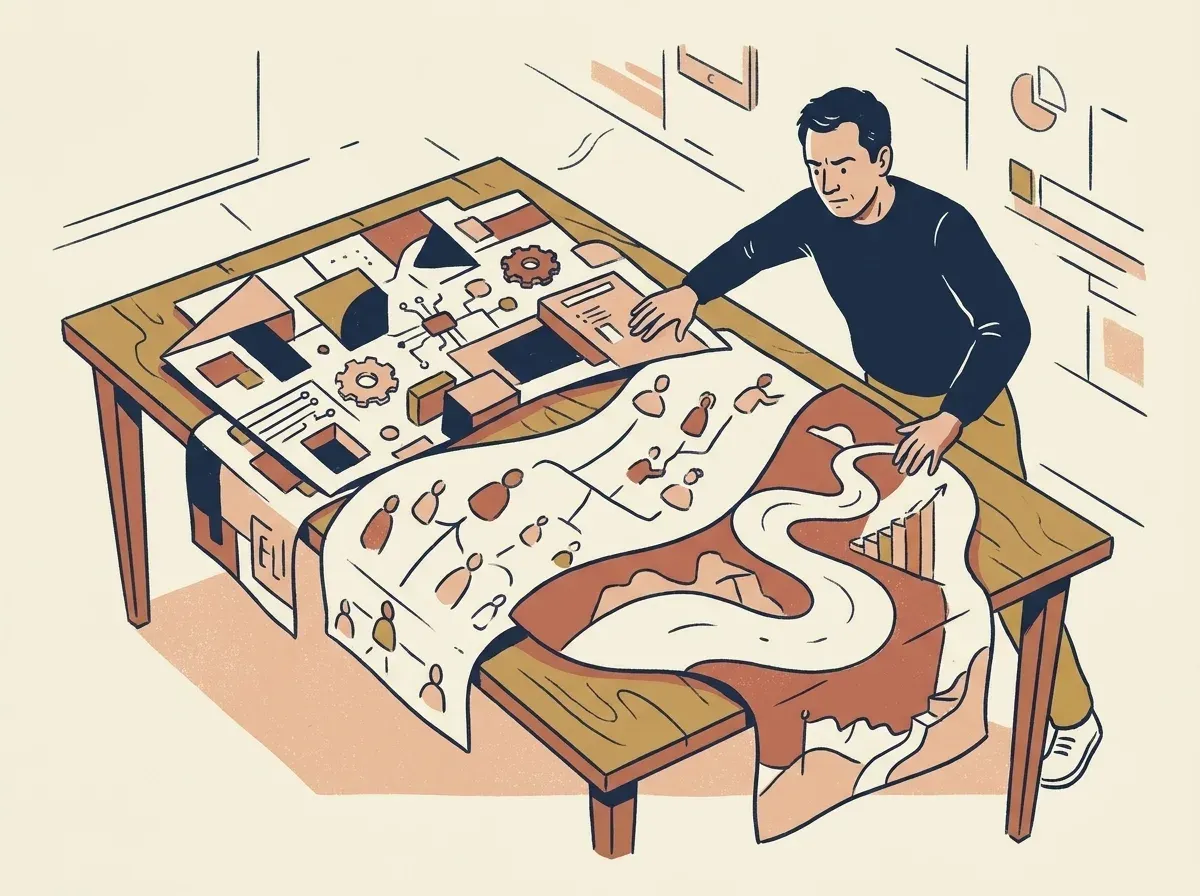
A founder aligning a product map, an org map, and a company story on one table

For Executives

Your job is no longer to have every answer.

The work shifts from making the thing to shaping the conditions around it. We work on where your attention belongs, what your leaders need to own, and the conversations that change a pattern instead of briefly fixing it.

  • Hard conversations handled directly
  • Where to lean in, what to hand off, which rituals to run
  • A leadership bench that scales with you
As a first-time leader of digital product and technology teams, Frank’s coaching was a game-changer. His insights into organizational structure and hiring were key to successfully scaling our tech team.
Majed Masad · President, Mejuri
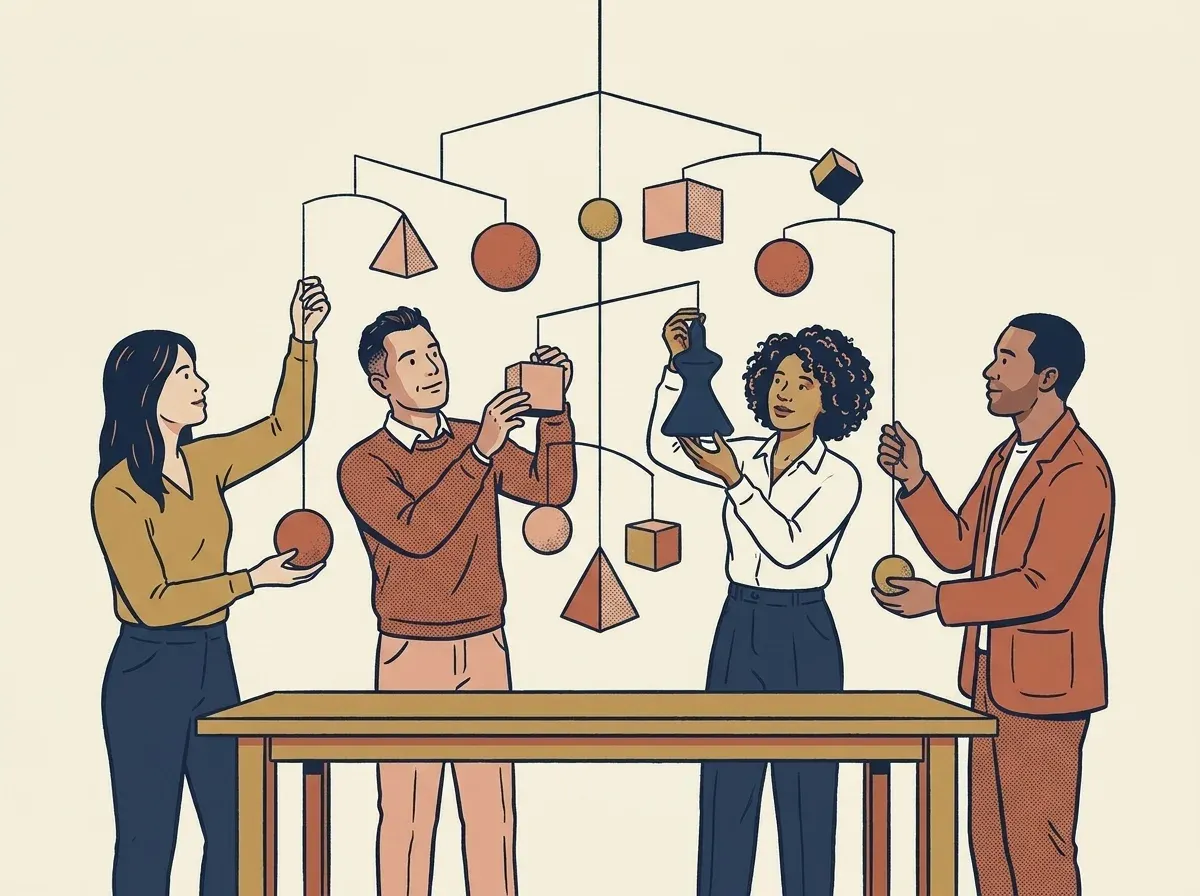
Four leaders balancing separate shapes into one steady mobile

For senior ICs and new managers

The work is good. The invisible part is getting in the way.

Influence, judgment, and timing are part of the craft, and no one teaches them. We make those parts visible enough to practice—and natural enough to make your own.

  • Ideas that survive beyond the presentation
  • Influence without playing politics
  • Being seen as the leader you already are
I was looking for a great coach for years, and finally I found Frank. He knows when to step in with practical advice that helps me solve in minutes what I’ve been stuck on for weeks.
Iban Benzal · Design Director, Wise
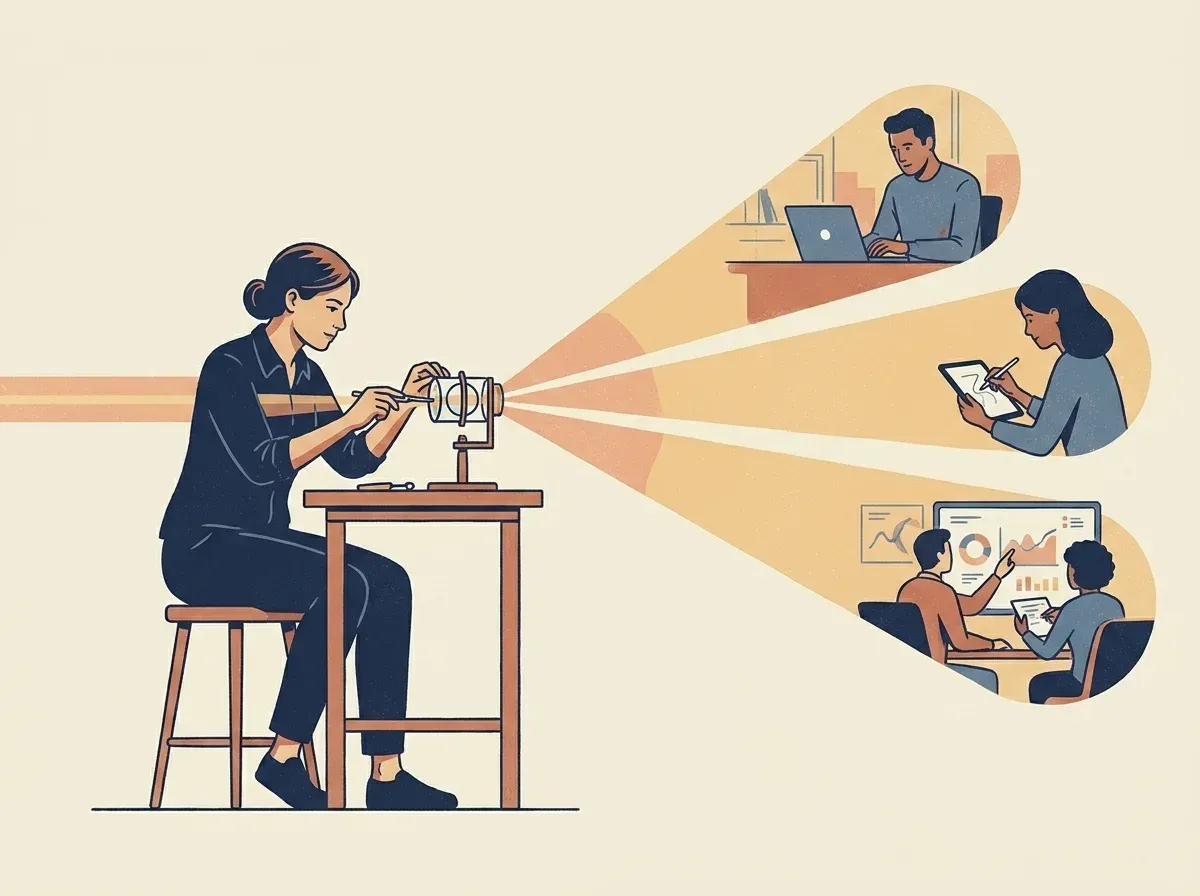
A senior individual contributor widening the reach of careful work

The thing happening Thursday.

  • The board deck that keeps getting rewritten
  • The reorg everyone can feel but no one has named
  • A co-founder conversation you keep postponing
  • A peer relationship turning every decision into friction
  • The promotion that changed the job more than expected
  • The product bet with two defensible answers

Two people. Different responsibilities.

What you bring

  • Work that is happening right now, while the outcome can still change.
  • Your thinking in unfinished form, not the polished one you present.
  • A willingness to try something before we know that it will work.
  • An honest account of the aftermath and of what followed the meeting.

What I bring

  • A Co-Active (CPCC) coaching practice plus a view from engineering, design, product, and the executive table.
  • Attention to the words, documents, and the dynamics on the topic.
  • Another perspective when it is useful—clearly labeled as one.
  • Continuity across each live moment into the next that matters.

Choose the shape of the work

Before we start

What’s the difference between coaching and therapy?

Therapy heals past mental health issues and treats clinical conditions. Coaching focuses on present actions and future goals—the job, the decision, the conversation, and what you want to happen next. I’m not trained for clinical work, and I won’t pretend this covers it. If therapy sounds closer to what you need, we can talk about it on the intro.

What happens in the intro call?

Bring the conversation you keep having in your head. We’ll spend 30 minutes putting the people, pressure, and decision on the same page. You’ll get a feel for how I work, and we’ll both decide whether a longer piece of work makes sense. No preparation is required. If it’s not a fit, I’ll say so.

What does a typical coaching session look like?

We start with what is live. We might work through a difficult stakeholder situation, prep for a board meeting, untangle a strategic decision, or practice a hard conversation. The agenda is yours. A session usually means putting the system on paper, rehearsing the hard part, and looking at what actually changed next time. You leave with something to try, say, stop, or notice—not a motivational summary.

Can I start with something shorter than six months?

Yes. The focused sprint is six 45-minute sessions over four months, built around one specific challenge—a career pivot, a new role, a product launch, or a stakeholder situation that keeps stalling. One-time investment, no ongoing commitment.

Can I expense this with my company’s L&D budget?

Yes. Many clients use their L&D or professional development budget. Corporate Coaching includes centralized billing and invoicing for your company. If you need anything particular to submit for reimbursement, let me know on the intro call.

Bring the conversation you keep having in your head.

We’ll put the people, pressure, and decision on the same page. Then we’ll decide whether a longer piece of work makes sense.